
The Best Streaming Solution is from the Past
Content Insider #978 – Line Up
By Andy Marken – andy@markencom.com

Source – Maze Runner: The Death Cure
“Three years ago we spent behind those walls, trying to break out. And now you want us to break back in.” Newt, “Maze Runner: The Death Cure, 20th Century Fox, 2018”
Look, when we cut our pay TV bundle it wasn’t because we were mad at Brian Roberts and his co-CEO, Mike Cavanagh.
Okay, maybe a little, but it wasn’t because of them; it was just that the roughly $142/mo. bill for TV and internet was “a little” heavy, especially since we only regularly watched the key main networks – ABC, CBS, NBC – and only occasionally something on one of the 300-400 other networks included in our “fantastic” bundle.

So, we did what most folks did in their own homes for entertainment…we went commando.
You know, the bare essentials.
Okay, we modified the normal meaning of the words “as quickly as possible.”
We shifted to three services with ads – Netflix, Disney+ with the periodically free services – Tubi, Pluto – and the Apple bundle our daughter said we simply had to have, or she’d die because it had all of the entertainment she needed plus Apple TV.
Oh yeah, Amazon Prime was included in our self-made bundle because the wife likes free shipping.
Not bad…okay, tolerable.
But something is missing…help in finding something we may want to watch when we really don’t know what it is until we see it.
Don’t get us wrong, there is plenty of AI in the entertainment product/service arena but it’s not there to help us (or you) no matter how much Jensen (Huang, CEO of Nvidia) and all the AI boys/girls say it’s going to improve our entertainment enjoyment.
It starts at our entertainment screen.
Source – LG
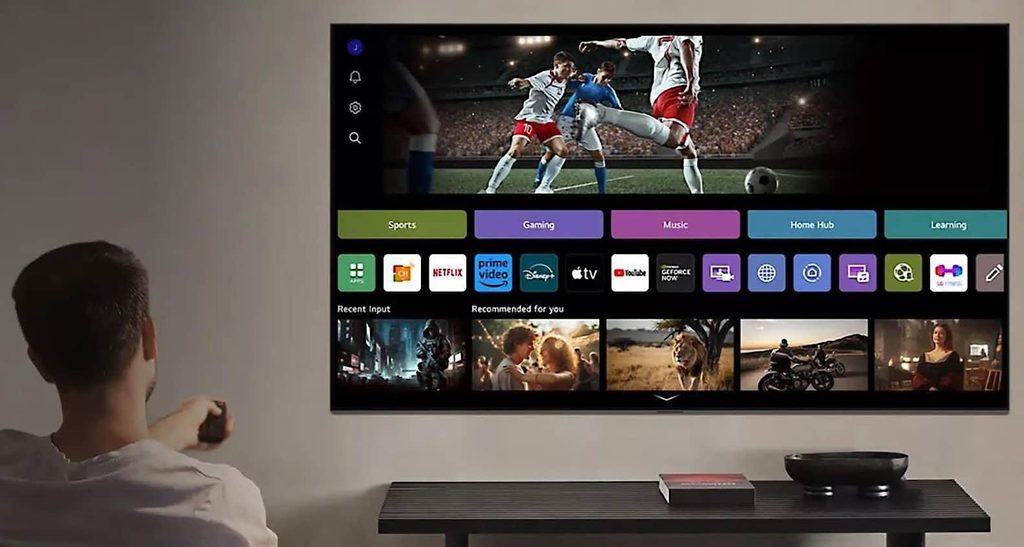
Yeah, we enjoy watching stuff on our big LG 4K UHD flat screen but bypassed their “easy AI connection” just as we would have with Samsung’s, TCL’s (Walmart), Hisense, Amazon’s Fire TV or the other screens.
That AI connection ensures the home appliance manufacturer and store have access to our house so it can nose around our house and check on our appliances so it can make “intelligent” product replacements or additions.
It also gives them information about our family and its activities that it can then pass along (sell) to advertisers to sell you more stuff (we’ll discuss that a little later).
So, we connected the set without their smart tool assistance.
But that required another “solution”.
Source – PCWorld
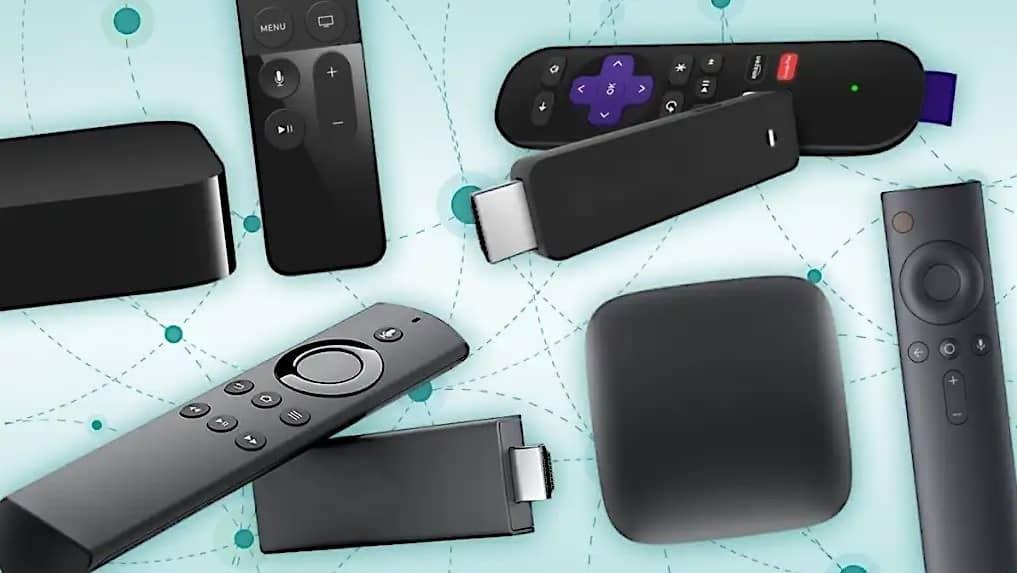
Options – If you don’t want to “take advantage” of your smart TV’s search/research capabilities there are plenty of options…Flixy, Nvidia Shield, Google TV 4K Pro, Roku, Apple TV 4K, Onn 4K +, and more.
If we were into heavy (serious) gaming like a friend, we might have opted for Nvidia Shield which delivers killer processing power and performance.
Since we’re not, we opted for the Apple TV 4K solution since it uses Ethernet ports for faster wired internet performance with our home fiber service.
In addition, it operates in Apple’s famous/infamous walled garden which means our data stays in their garden where they use it but don’t/seldom share…as far as we know.
Yeah, we could have chosen Google TV streamer 4K but jeez, Google already scrapes enough of our data/information every time we go online to research or visit some place online.
And, we already know they’re one of the biggest peddlers of personal data, right up there with Mark Zuckerberg’s profit-making machine, Meta.
Okay, we – and you – have your beautiful screen attached to the outside world and you havet the streaming services that interest you and you can afford.
But…
Source – Muvi
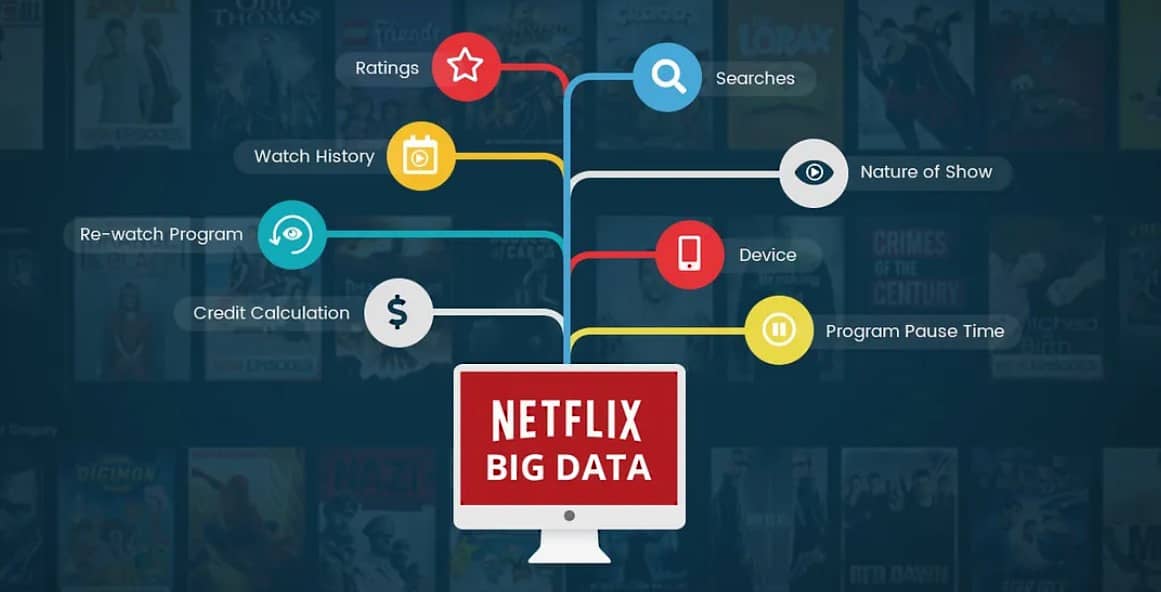
Okay, we’re going to go out on a limb here and say that Netflix has the best personalization and recommendation tool around.
Yes, they’re founded in/on technology but that’s what comes from being housed in Silicon Valley instead of Hollywood, Bollywood, Nollywood, or any of the other Woods around the globe.
They don’t throw a bunch of AI into their system and hope something good happens which is probably why they have such a great retention rate.
First, they use subscribers’ data to figure out what shows/movies click with folks to keep them “hooked” and what would appeal to most people across their universe.
That’s why they’re good at recommending content when we don’t have a clue.
And that information helps them pick shows/movies in other countries that will resonate with you and us.
But it’s obviously the one every streamer is studying to duplicate.
And that’s part of the problem!
Everyone is only interested in keeping you connected to their service.
Source – Parks Associates
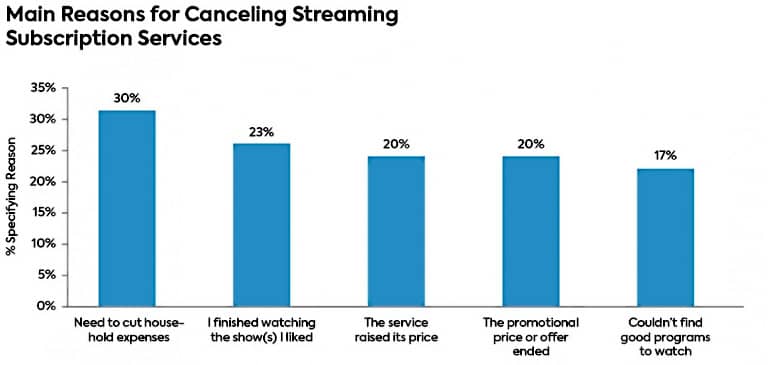
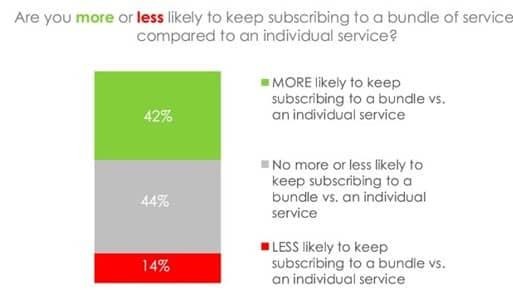
It’s not a huge surprise that Parks Associates found that a third of the people they interviewed said they had cancelled streaming subscriptions last year because of the cost.
There are several reasons for this.
First, there’s subscription fatigue because you don’t have one point of home/personal entertainment, you have an average of five per household that you’ve chosen out of a global selection offering of over 400–even though in your country you may have 10 options for you and the other 1.8B households around the world.
You take your pick of Netflix, Amazon Prime, Disney +, TenCent or YouTube and fill out your home service with whatever your household budget can afford.
If you’re normal, you ease the budget pain by putting up with “a few ads” with each of them.
Yeah, they’re a pain because despite all of the promises of AI to deliver more intelligent and targeted ads, they still look like slight variations of the same old stuff you watched in your cable bundle. The industry really needs to work on this.
But that’s another issue.
Still, you look at your home entertainment budget not as one item but rather 4-6 (depending on the number of services you have) so after logging into one for something to watch and not being able to find a show/movie that strikes your hot button, you move to another and another.
So, you end up settling and question the value of the other services and…you cancel.
You didn’t do that in “the old days” because you had a bundle.
Today, there’s only one new generation bundle — YouTube TV — which costs $83/mo. (North America). It only has 18M subscribers. So, there is plenty of room for a strong streaming bundle.
Source – ScreenMDM
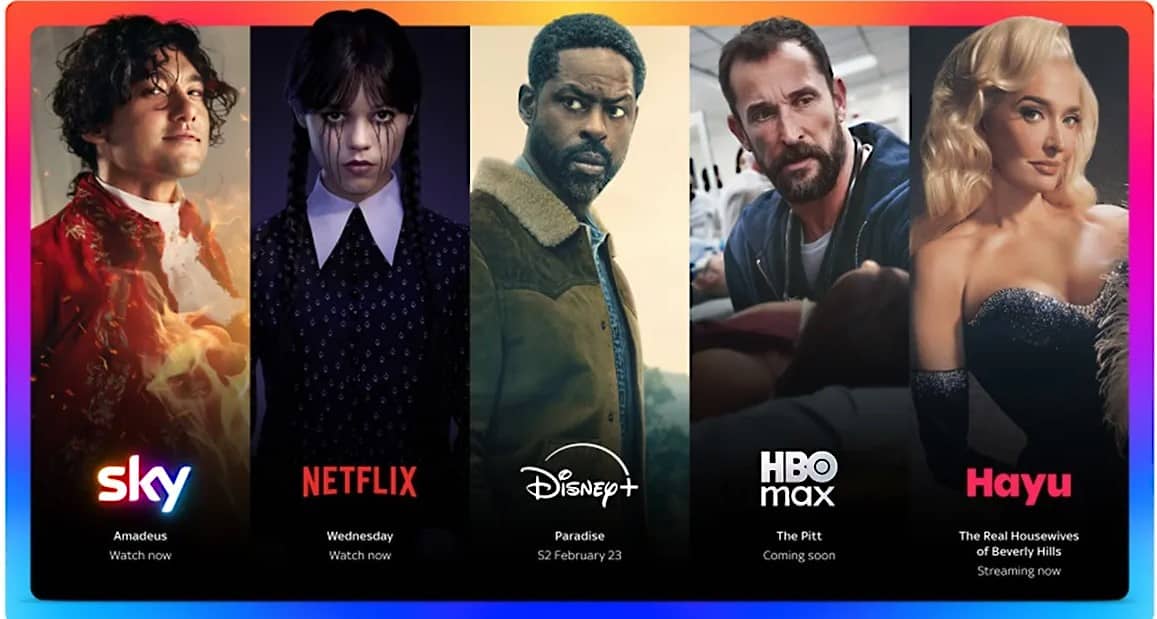
A good prototype of this is Sky’s super bundle which was released earlier this year in the UK.
Priced at £24 ($32 US), it brings the biggest streamers – Netflix, Disney + HBO Max, Sky TV/Sky Originals and Hayu – to one location … a savings plus convenience.
Sky Group is owned by Comcast and is the leading home entertainment company in the UK and continental Europe.
Okay, we’ll never see that opening bid to get our business here in the Americas; but it’s a solid move and sure beats YouTube’s $83!
Yeah, it even beats their new fantastic offers (all with ads) – entertainment – $45, sports/news – $72, sports – $65 and plain old YouTube TV at a “slightly lower price and the whole enchilada is $70.
Source – 20th Century Fox
Slide in a couple of FAST solutions into the Sky bundle like Tubi and Pluto and you have a bundle people can tolerate and, more importantly, will find it difficult to drop.
Comcast/Sky is a logical provider to offer you a streaming bundle.
They’re one of the largest home internet providers (your pipeline to the outside world) in the Americas and Europe with strong relationships around the world.
And they probably have the best experience in keeping video stories flowing continually to your house.
Source – HUB Research
To assure the US Congress that Netflix’s acquisition of WBD wouldn’t put his company in a position to dominate the streaming market, Ted Sarandos noted that YouTube had about 12 percent of today’s screen time and Disney +/Hulu had about 11 percent of the screen time.
He added that WBD and Netflix already shared many of the same subscribers and would continue to operate as separate services.
It’s not perfect and it’s not complete, but do you really want to go back to the 200-300 channel bundle?
I doubt it, but you be you.
Let them refine their service offerings as they move forward.
Netflix can still maintain mindshare with people who are streaming their entertainment by their superior, in-depth analytics and new focus on adding sports and content creators to the program line-up.
Netflix upset the status quo of home entertainment that led to the slow demise of the pay TV bundle.
Today, the average consumer can’t afford or keep track of the available streaming services and which one has specific shows/movies.
It has only caused churn with the average household cancelling at least one service annually to keep their entertainment budgets under control and keep pace with their ever-changing entertainment tastes.
The renewed partnership between companies can be a hedge against hopping from service to service for specific shows/movies that are within their budgets.
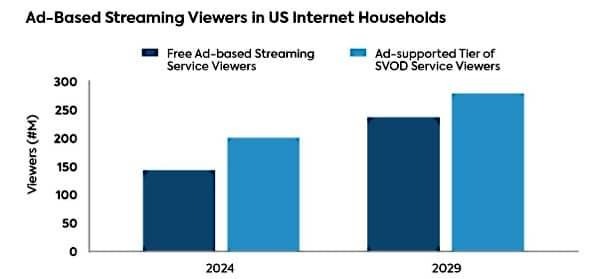
Okay, to the second elephant in the room…the lower-cost bundle also includes ads.
Source – Parks Associates
Yes, we know people who will do anything to avoid ads but they’re all Millennials ++.
They’re the buying power/influencers of yesterday.
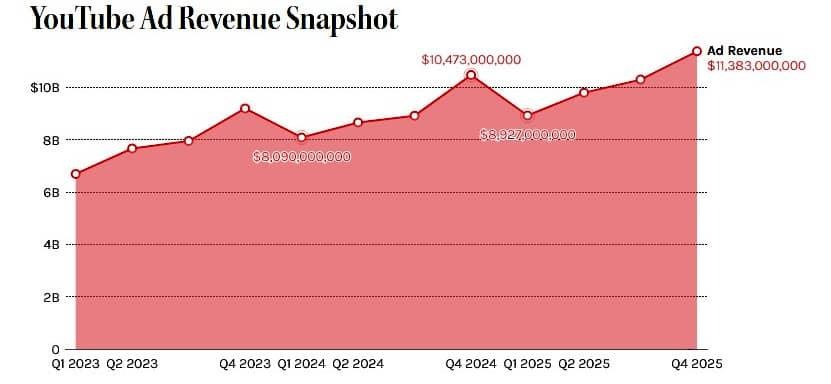
Jeez, YouTube has proven that in spades because they don’t make their money from subscriptions, they make it from advertising!
Source – WRAP
No, we don’t see people going back to tolerating 20 minutes of ads shoved into an hour of entertainment. Gen Alpha/Gen Zers grew up with TikTok, YouTube Shorts, Instagram Reels and other short form video services and are fine with paying part of their service fees with ad time.
Netflix, Disney and WBD all learned to adjust to the new/old way of adding to their income while adding subscribers. However, the present ad mechanisms/offerings are far from perfect.
According to Parks Associates, 70 percent of the respondents say they often see the same ads.
For us, they’re accident lawyer and pharmaceutical ads.
We haven’t had an accident in perhaps 20 years (or more).
Unfortunately, the US is one of the few – and perhaps the only – country that permits prescription drug firms to advertise direct to the consumer so viewers can self-diagnose, go to the physician and suggest/demand that he/she writes a script for their cure.
It must work for them because they keep advertising.
But we digress and that’s a discussion for another Insider.
The point is not that people dislike ads, they dislike ads that aren’t as interesting to them as the content they’re interrupting, and they don’t like a steady stream of ads they’re not interested in going on seemingly forever.
Source – Nielsen
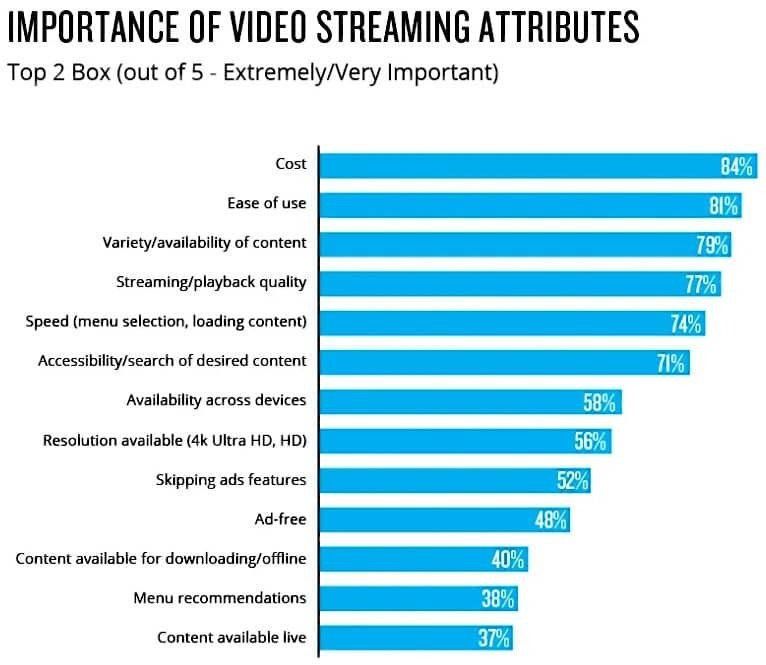
Cost and a few other things that an efficient/effective bundle can provide wins over viewers every time, compared to the absence of ads.
If Comcast can convince the streamers in their Sky entertainment bundle to be part of a consumer standard, we can return to the new/old normal and eliminate the consumer’s service hopscotch.
Then studios/streamers can focus on uncovering and developing those creative video stories people want to watch which will attract more advertisers.
Everyone will be happy(er) because no matter how much more “valuable” Netflix’s, Disney’s, WBD’s or any streaming service’s content is, it’s only valuable if people are willing to pay for it.
According to Parks Associates, the average number of paid streaming services is four and has remained the same while subscriber cost increased 13 percent last year.
Boosting their individual bottom lines means joining forces for the overall good of the consumer and focusing their attention on being more selective in spending on original programs – based on their viewer data – and including intelligent ads so companies can share part of people’s entertainment cost.
People are already paying for Comcast (Xfinity) and Sky or similar services to the home, so a reasonably priced bundle is a logical way to counter the ad machine – (Google/YouTube).

Source – 20th Century Fox
Newt was right in Maze Runner: The Death Cure, when he said, “But we started it together, we might as well end it that way too.
It seems like a faster, less expensive way to ensure the global streaming market will reach/surpass $185B by next year.
More importantly, with an intelligent engine that can work across all services, we’ll be a lot less frustrated in trying to find something to watch every evening instead of going from service to service and ultimately ending up…settling.
If it’s good enough for the Brits and Europeans…it’s good enough for the rest of us!
Andy Marken – andy@markencom.com – is an author of more than 900 articles on management, marketing, communications, industry trends in media & entertainment, consumer electronics, software and applications. An internationally recognized marketing/communications consultant, he has a broad range of technical and industry expertise–especially in storage, storage management and film/video production fields. He also has an extended range of relationships with business, industry trade press, online media and industry analysts/consultants.