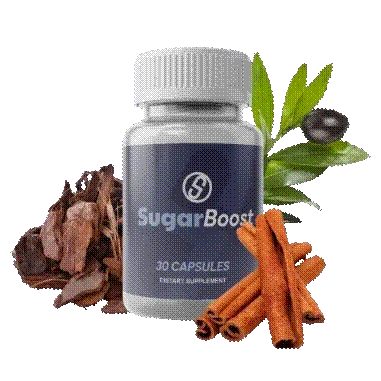
Sugar Boost Review: Is This Glucose Balance Supplement Worth It?
Introducing Sugar Boost: A Closer Look at This Glucose Balance Supplement In 2026
AUSTIN, TX / ACCESS Newswire / March 24, 2026 / In a world where maintaining balanced energy throughout the day feels increasingly challenging, many people are turning to dietary supplements to support their wellness goals. Sugar Boost enters this crowded marketplace with promises of natural glucose support, positioning itself as a comprehensive solution for those seeking to maintain healthy blood sugar levels as part of their daily routine.
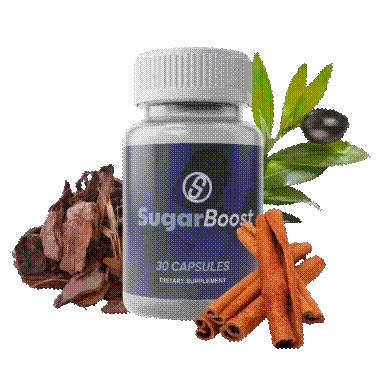
What caught my attention about Sugar Boost wasn’t just another bold claim on a supplement bottle, it was the specific combination of traditional botanicals and modern nutritional science that the company highlights. From berberine to gymnema sylvestre, the formula reads like a greatest-hits collection of ingredients that have been studied for glucose metabolism support.
During the exploration of this product, I found myself curious about whether Sugar Boost could live up to the substantial promises made on its sales page. The company offers an extensive 60-day money-back guarantee, includes bonus digital guides, and even throws in a VIP coaching call with certain packages: features that suggest they’re confident in their product but also aware that consumers need reassurance.
In this article, I’ll walk you through what Sugar Boost actually offers, examine its ingredient profile, discuss what sets it apart (or doesn’t) from competitors, and share insights that might help you decide if this supplement aligns with your health journey. For primary-source details, readers can View Official Sugar Boost Drop Offer (Sugar Boost Sale Page) including label and policy terms as published by the company. This article does not verify or endorse any company claims and encourages readers to conduct their own review of all available disclosures. Let’s dive into the details.
Why Consumers Are Researching Healthy Glucose Balance Supplements Like Sugar Boost
The growing interest in glucose balance supplements reflects a broader shift in how people approach their health and wellness. Rather than waiting for problems to develop, many individuals are taking proactive steps to support their metabolic health through lifestyle modifications and targeted supplementation.
Several factors drive this research trend. First, there’s increased awareness about how blood sugar fluctuations affect daily life: from energy crashes in the afternoon to difficulty concentrating and persistent cravings. People are connecting these experiences to glucose metabolism and seeking solutions that address root causes rather than just symptoms.
The modern diet, often high in processed foods and refined sugars, has made glucose management more challenging for many people. Even those who don’t have diagnosed metabolic conditions notice how certain foods affect their energy levels and overall well-being. This awareness prompts exploration of supplements that might help buffer these effects and support the body’s natural regulatory mechanisms.
Additionally, preventive health has become a priority for aging populations. People in their 40s, 50s, and beyond are increasingly focused on maintaining metabolic health to support their quality of life long-term. They’re researching ingredients like berberine, chromium, and cinnamon extract-compounds that have traditional use histories and varying degrees of scientific support.
The explosion of information available online, from peer-reviewed studies to user testimonials, has empowered consumers to become more educated about their options. They’re no longer satisfied with vague claims; they want to understand mechanisms of action, see ingredient lists, and read about others’ experiences.
Finally, there’s a growing preference for natural or plant-based approaches to health support. Many people are looking for alternatives that align with holistic wellness philosophies, seeking supplements that work with their body’s natural processes rather than against them. This desire for “clean” supplementation drives extensive research into product formulations, sourcing practices, and company transparency.
What Sugar Boost Really Is?
Sugar Boost is a dietary supplement formulated to support healthy glucose metabolism through a blend of botanical extracts, minerals, and other natural compounds. Manufactured in the United States and available in capsule form, it positions itself within the growing category of metabolic health supplements designed for daily use alongside a balanced diet and healthy lifestyle.
At its core, Sugar Boost is what’s known as a multi-ingredient supplement-meaning it doesn’t rely on a single compound but rather combines multiple ingredients that purportedly work synergistically to support various aspects of glucose regulation. The product contains ten primary ingredients, including berberine HCL, gymnema sylvestre, cinnamon bark, turmeric rhizome, bitter melon, chromium picolinate, banana leaf, magnesium, and cocoa bean extract.
The company marketed it as more than just a glucose support supplement, extending its claimed benefits to include enhanced daily energy, improved cognitive clarity, and support for the body’s natural fat-burning processes. This broader positioning suggests the company views glucose balance as interconnected with overall metabolic function rather than as an isolated concern.
What distinguishes Sugar Boost in its presentation is the comprehensive purchasing package. Beyond the supplement itself, buyers who opt for larger packages receive digital bonuses including “Mental Clarity & Focus” and “Vitality Boost Energy” guides. Select packages also include a complimentary VIP coaching call valued at $297, where customers can supposedly work with nutritional wellness specialists to optimize their supplementation strategy.
The product is offered in three main package sizes: a 60-day supply (2 bottles), a 90-day supply (3 bottles), and a 180-day supply (6 bottles). The company heavily promotes the 6-bottle package as their “best value” option, noting that 96% of customers choose this tier. This longest-duration package includes free U.S. shipping, both digital bonuses, and the coaching call-incentives clearly designed to encourage larger upfront purchases.
SugarBoost’s formula is described as “all-natural” and “non-dependency,” suggesting users won’t develop a reliance on the supplement for normal metabolic function. The capsule format offers convenience for those who prefer not to deal with powders or liquids, and the company emphasizes that the formula is “gentle yet effective.”
From a business model perspective, It appears to be a direct-to-consumer product, primarily sold through the company’s website rather than through retail channels. This approach gives the company more control over messaging, pricing, and customer relationships, though it also means consumers can’t physically examine the product before purchasing. Readers can View Official Sugar Boost Drop Offer (Sugar Boost Sale Page) for details information
The supplement comes with a 60-day money-back guarantee, which the company emphasizes prominently throughout their marketing materials. According to their policy, customers can return unopened bottles within 60 days for a full refund (minus shipping and handling), which provides some purchase protection for those hesitant to try a new supplement.
In essence, Sugar Boost is positioned as a comprehensive glucose support system that goes beyond just providing capsules: it’s packaged as part of a broader wellness program that includes educational resources and personalized guidance, at least for those who purchase the larger packages.
Check Sugar Boost Official Website
What Consumers Typically Look for in Healthy Glucose Balance Supplements Like Sugar Boost?
When researching glucose balance supplements, informed consumers tend to evaluate several key factors that go beyond basic marketing claims. Understanding these priorities helps contextualize how products like Sugar Boost fit into the broader marketplace and consumer expectations.
Evidence-Based Ingredients top the list for many educated consumers. They’re looking for compounds that have some scientific backing-whether from traditional use, preliminary research, or more robust clinical studies. Ingredients like berberine, chromium, and cinnamon extract appear frequently in consumer searches because they have varying levels of research supporting their potential effects on glucose metabolism. Consumers want to see familiar, well-studied ingredients rather than proprietary blends with unknown components.
Transparent Formulation matters significantly. Shoppers increasingly demand to know exactly what’s in each capsule, including specific amounts of each ingredient. The dreaded “proprietary blend” label, which hides individual ingredient quantities, raises red flags for many consumers who want to verify they’re getting clinically relevant doses. They may cross-reference ingredient amounts with research studies to assess whether the supplement contains meaningful quantities.
Quality Manufacturing Standards provide reassurance about product safety and consistency. Consumers look for supplements manufactured in facilities that follow Good Manufacturing Practices (GMP), are third-party tested, or carry certifications from recognized organizations. U.S. manufacturing is often viewed favorably, though consumers understand this alone doesn’t guarantee quality. They also appreciate transparency about sourcing-whether ingredients are organic, non-GMO, or sustainably harvested.
Realistic Claims and Expectations separate credible products from snake oil. Savvy consumers are skeptical of supplements promising overnight transformations or miracle results. They prefer products that position themselves as supportive tools within a comprehensive approach to health, rather than magic bullets. Marketing language that emphasizes “support,” “promote,” and “maintain” resonates better than absolute promises of dramatic changes.
Value Proposition and Pricing always factor into decisions. Consumers compare cost-per-serving across brands and evaluate whether premium pricing is justified by superior formulation, quality assurance, or additional services. They consider the recommended duration of use-many glucose support supplements suggest 60-90 day trials to assess effectiveness, which means upfront costs can be substantial. Bundle discounts and subscription options influence purchasing decisions.
Customer Reviews and Real-World Feedback provide invaluable insights that marketing materials can’t offer. Consumers seek out detailed reviews that discuss actual experiences-both positive and negative. They look for patterns in feedback: Do multiple reviewers mention similar benefits or side effects? Are there reports of digestive discomfort, interactions with medications, or lack of noticeable effects? Independent reviews carry more weight than testimonials on company websites.
Return Policies and Guarantees offer protection for first-time buyers. A solid money-back guarantee demonstrates company confidence and reduces consumer risk. Shoppers pay attention to the terms-is it a full refund or partial? Must bottles be unopened? Who pays return shipping? Clear, customer-friendly policies build trust.
Additional Support and Education can differentiate premium offerings. Some consumers value companies that provide resources for understanding glucose metabolism, offer guidance on lifestyle modifications, or supply personalized support. Educational content demonstrates expertise and genuine interest in customer success beyond just making sales.
These considerations collectively shape how consumers evaluate glucose balance supplements and ultimately influence their purchasing decisions.
The Ingredients of Sugar Boost: A Detailed Examination (Abridged)
Sugar Boost formulation centers on ten ingredients, each selected for its purported role in supporting glucose metabolism and overall metabolic health. Let’s examine what research and traditional use suggest about each component readers can also View Official Sugar Boost Drop Offer (Sugar Boost Sale Page) as well
Berberine HCL

This stands as perhaps the most scientifically studied ingredient in the formula. This compound, extracted from various plants including barberry and goldenseal, has been used in traditional Chinese and Ayurvedic medicine for centuries. Modern research has investigated berberine’s potential effects on glucose metabolism, with some studies suggesting it may influence cellular pathways involved in insulin sensitivity and glucose uptake. The “HCL” designation indicates it’s in the hydrochloride salt form, which affects absorption and bioavailability. Research indicates that berberine may work through multiple mechanisms, including activation of AMPK (an enzyme involved in cellular energy regulation) and potential influence on gut microbiota. However, berberine’s absorption can be limited, and effective dosing typically ranges from 900-1500mg daily in divided doses according to studies, though SugarBoost doesn’t disclose the specific amount included.
Gymnema Sylvestre

often called the “sugar destroyer” in Hindi, is a herb with a long history in Ayurvedic medicine. Its leaves contain gymnemic acids, compounds that may temporarily reduce sweet taste perception and have been studied for potential effects on glucose metabolism. Some research suggests gymnema might support pancreatic function and influence glucose absorption in the intestines. Traditional use typically involves much higher doses than what’s commonly found in multi-ingredient supplements, raising questions about effectiveness at lower concentrations.
Cinnamon Bark

Is perhaps the most familiar ingredient to consumers, commonly found in kitchens worldwide. Beyond its culinary use, cinnamon (particularly Ceylon cinnamon) has been studied for potential effects on glucose metabolism. Research suggests certain compounds in cinnamon might influence insulin signaling and glucose transport into cells. However, studies have shown mixed results, with some demonstrating modest benefits while others show minimal effects. The type of cinnamon matters-Ceylon cinnamon is generally preferred over Cassia cinnamon due to lower coumarin content (a compound that can be problematic at high doses). SugarBoost doesn’t specify which type it uses.
Turmeric Rhizome

This contributes to curcumin and related compounds known for anti-inflammatory properties. While turmeric is most famous for joint health and inflammation support, emerging research explores its potential metabolic effects. Some studies suggest curcumin might influence insulin sensitivity and support healthy inflammatory responses related to metabolic function. However, curcumin’s bioavailability is notoriously poor without enhancers like piperine (black pepper extract), which SugarBoost doesn’t list as an ingredient. This raises questions about how effectively the body can utilize the turmeric included.
Bitter Melon (Momordica charantia)

This is a fruit commonly used in Asian cuisine and traditional medicine systems. It contains several compounds, including charantin, vicine, and polypeptide-p, that have been studied for glucose-related effects. Some research suggests bitter melon might influence glucose utilization and support healthy post-meal glucose levels. However, study results have been inconsistent, and effective traditional doses tend to be quite high-often consumed as fresh fruit or substantial amounts of extract.
Chromium Picolinate

This is a trace mineral form often included in glucose support supplements. Chromium plays a role in normal insulin function and nutrient metabolism. The “picolinate” form is designed for better absorption compared to other chromium forms. Research on chromium supplementation has shown mixed results-some studies suggest benefits for people with chromium deficiency or specific conditions, while others show minimal effects in well-nourished populations. The typical supplemental dose ranges from 200-1000 mcg daily, though effectiveness may depend on individual chromium status.
Banaba Leaf (Lagerstroemia speciosa)

This contains corosolic acid, a compound that has been studied for potential glucose-regulating properties. Traditional medicine in the Philippines and other Southeast Asian countries has used banaba for metabolic support. Some research suggests corosolic acid might influence glucose transport into cells, though studies are less extensive than for ingredients like berberine. Effective doses in research typically range from 16-48mg of standardized extract, but SugarBoost doesn’t specify the concentration or amount included.
Magnesium

This is an essential mineral involved in hundreds of enzymatic reactions, including those related to glucose metabolism and insulin function. Many people don’t consume adequate magnesium through diet alone, making supplementation potentially beneficial. However, magnesium comes in various forms (oxide, citrate, glycinate, etc.) with different absorption rates and effects. SugarBoost doesn’t specify which form it uses or the amount included. Adequate magnesium intake is associated with healthy metabolic function, though supplementation’s effects depend on individual magnesium status.
Cocoa Bean Extract

This contributes to flavonoids, particularly epicatechin and catechin, which have been studied for cardiovascular and metabolic effects. Some research suggests cocoa flavonoids might support healthy blood flow, insulin sensitivity, and cellular energy metabolism. However, beneficial effects typically require specific amounts of standardized flavonoid content, which isn’t disclosed in SugarBoost’s marketing materials.
The final unlisted ingredient, based on the scientific references provided, appears to be several probiotic or prebiotic components including Lactobacillus acidophilus and possibly Aloe vera, flaxseed, black walnut, and dried plum extracts. This is somewhat confusing because these ingredients aren’t listed in the main product description but are referenced in the scientific citations. This discrepancy raises questions about formulation transparency and whether the formula has changed or if the references are simply supportive background information.
The Synergy Question: Multi-ingredient supplements like Sugar Boost are formulated on the premise that ingredients work synergistically-that their combined effect exceeds individual effects. While this is plausible, it’s also difficult to verify without specific research on the exact combination. Most ingredient research involves single compounds, making it challenging to predict how ten ingredients interact in one formula.
The Dosage Dilemma: Perhaps the most significant concern is SugarBoost’s lack of transparency about individual ingredient amounts. Without knowing specific doses, it’s impossible to assess whether the formula contains clinically relevant quantities of each ingredient. Some multi-ingredient supplements include “pixie dust” amounts-technically present but too small to produce effects demonstrated in research. Others provide meaningful doses but may be limited by capsule size constraints.
Order Sugar Boost Today From The Official Website
Understanding Product Format Differences in This Category
Glucose balance supplements come in various formats, each with distinct advantages and limitations that influence consumer choice and potentially effectiveness.
Capsules and Tablets represent the most common format, and SugarBoost follows this conventional approach. Capsules offer several practical benefits: they’re portable, don’t require measurement, have no taste, and are easy to incorporate into daily routines. They typically have longer shelf lives than liquids and can protect sensitive ingredients from degradation. However, capsules also have constraints-they limit the amount of active ingredients that can be delivered in a single dose due to size restrictions. This is particularly relevant for supplements containing multiple ingredients; something has to give when trying to fit ten different compounds into one or two capsules. Capsules also require digestion and dissolution before ingredients become available for absorption, which may delay onset and can be influenced by individual digestive factors.
Powders offer flexibility that capsules can’t match. They can deliver higher doses of active ingredients per serving without the constraints of capsule size. Some ingredients, particularly those requiring larger amounts like certain fiber compounds or protein-based supplements, are more practically delivered in powder form. Powders can be mixed into various beverages or foods, potentially improving intake consistency for those who dislike swallowing pills. However, they sacrifice convenience-requiring measuring, mixing, and dealing with texture and taste. They’re less portable and may have shorter shelf lives once opened due to moisture exposure.
Liquid Formulations (tinctures, extracts, or beverages) provide potentially faster absorption since ingredients are already dissolved. Some people find liquids easier to consume than capsules, and dosing can be adjusted incrementally. Traditional herbal preparations often use liquid extracts to concentrate beneficial compounds. However, liquids typically require refrigeration after opening, may have strong tastes requiring masking, and are less convenient for travel. They also often require larger serving volumes to deliver meaningful doses.
Gummies have gained popularity due to their palatable nature and ease of consumption, particularly appealing to those who dislike traditional supplements. However, they typically contain lower doses of active ingredients due to format limitations and often include sugars or sugar substitutes-ironic for glucose balance supplements. The heating process required for gummy manufacturing can also degrade heat-sensitive ingredients.
Sublingual Formats (under-the-tongue strips or tablets) offer direct absorption into the bloodstream, bypassing digestive breakdown. This can improve bioavailability for certain compounds, though not all ingredients benefit from sublingual delivery. These formats remain relatively uncommon in the glucose balance category.
Time-Release or Extended-Release Formulations attempt to provide steady ingredient delivery throughout the day, potentially improving effectiveness for compounds with short biological half-lives. However, these formats require specialized manufacturing and don’t benefit all ingredient types.
Sugar Boost’s choice of standard capsules represents a middle-ground approach-favoring convenience and consumer familiarity over maximum dosing potential or rapid absorption. For a multi-ingredient formula, capsules make sense practically, though consumers should understand the inherent trade-offs. The format works adequately for maintaining consistent supplementation habits, which may be more important than format-specific advantages for long-term use.
The “best” format ultimately depends on individual priorities: convenience, absorption speed, dosing flexibility, or palatability. SugarBoost’s capsule format serves most users adequately, though those requiring very high doses of specific ingredients might need standalone supplements in addition to or instead of multi-ingredient formulas.
What Sugar Boost Discloses About Its Product
Evaluating a supplement’s transparency provides insight into company credibility and helps consumers make informed decisions. Sugar Boost’s disclosures are a mixed bag-providing some useful information while leaving important gaps.
On the positive side, Sugar Boost clearly lists its ten primary ingredients, allowing consumers to research each component’s potential effects and safety profiles. The company states the product is manufactured in the United States, which provides some jurisdictional reassurance regarding regulatory oversight, though this alone doesn’t guarantee quality. They emphasize the formula is “all-natural” and describe it as “non-dependency,” suggesting users won’t experience withdrawal or require increasing doses over time.
The marketing materials highlight that the product contains “premium plant-based ingredients” and follows principles from “modern nutritional science,” though these are somewhat vague marketing terms rather than specific quality indicators. The capsule format is clearly disclosed, and the company provides straightforward information about package options and pricing structures.
However, significant transparency gaps exist. Most critically, Sugar Boost doesn’t disclose individual ingredient amounts-perhaps the most important information for assessing potential effectiveness. Without knowing whether the formula contains 50mg or 500mg of berberine, for instance, consumers can’t evaluate if doses align with research-supported levels.
The company doesn’t specify which forms of ingredients are used (Ceylon vs. Cassia cinnamon, various magnesium forms), which affects bioavailability and safety. There’s no information about third-party testing, quality certifications beyond U.S. manufacturing, or standardization of botanical extracts (what percentage of active compounds each contains).
The scientific references list includes several ingredients not mentioned in the main product description (black walnut, flaxseed, dried plum, aloe vera, Lactobacillus acidophilus), creating confusion about the actual formula composition.
Additionally, the claimed customer rating of “4.98/5 Stars based on 2300+ reviews” isn’t linked to a verifiable review platform, making it impossible to assess authenticity or read actual customer experiences independently.
As before, readers can view the current Sugar Boost drop offer (Official Sugar Boost Page) for the latest company-posted information. Consumers are encouraged to consult a qualified healthcare professional before starting any new supplement.
Refund Policies and Customer Support Disclosure
Sugar Boost’s refund policy offers some consumer protection, though with specific limitations that buyers should understand before purchasing.
The company provides a 60-day money-back guarantee, which is reasonably generous compared to some supplement companies that offer only 30 days or no guarantee at all. This two-month window theoretically allows customers sufficient time to assess whether the supplement works for them, though many glucose support supplements suggest 60-90 days for noticeable effects, putting some users at the guarantee’s time limit when benefits might begin appearing.
The specific terms are important: customers can receive a “full refund within 48 hours of receiving the returned product” for bottles returned within 60 days of the original order date. However-and this is crucial-the refund applies only to “unopened and complete bottles” or bottles “in excellent condition.” The policy explicitly states refunds exclude “shipping and handling charges.”
This means if someone purchases a 6-bottle package, opens one bottle to try the product, and decides it’s not working after a few weeks, they can return the five unopened bottles for a refund (minus shipping costs). However, they won’t receive a refund for the opened bottle they actually used to test the product. This is a relatively common policy structure but does limit the “risk-free” nature of the trial-consumers will lose the cost of at least one bottle plus shipping.
The company states customers can reach out “by phone or email” for returns, though specific contact details aren’t provided in the marketing materials reviewed. The mention of a “dedicated customer care team” suggests support infrastructure exists, but the actual accessibility and responsiveness remain unclear without real-world testing.
The inclusion of a VIP coaching call with certain packages (valued at $297) provides additional support, though this appears to be a one-time service rather than ongoing customer support. Whether this coaching provides genuine value or serves primarily as a sales incentive is difficult to assess without experiencing it.
Factors Consumers Often Consider When Choosing a Healthy Glucose Balance Supplement Like The Sugar Boost?
Beyond ingredients and formulation, several practical considerations influence supplement selection.
Integration with Current Medications is paramount, particularly for those already taking glucose-regulating medications. Some supplement ingredients can interact with pharmaceuticals or have additive effects that could cause problems. Responsible consumers consult healthcare providers before starting new supplements, especially those targeting metabolic function. SugarBoost’s marketing doesn’t extensively discuss potential interactions, though this is common across the supplement industry. The burden falls on consumers to verify safety with their healthcare teams.
Lifestyle Compatibility affects adherence. Capsule-based supplements like SugarBoost require consistent daily use, typically with meals. People with irregular schedules, frequent travel, or difficulty remembering daily medications may struggle with adherence regardless of product quality. The number of capsules per serving also matters-some glucose supplements require 4-6 capsules daily, which can be off-putting.
Realistic Timeline Expectations separate prepared consumers from disappointed ones. Glucose balance supplements typically don’t produce dramatic overnight changes. Most require weeks or months of consistent use alongside diet and lifestyle modifications. SugarBoost’s 60-day guarantee aligns roughly with this timeline, though some users might need longer to assess effects.
Company Reputation and Longevity provide confidence in ongoing product availability and consistent quality. Newer companies like SugarBoost Research (the exact founding date isn’t disclosed) haven’t yet built the track record that established supplement makers have. This doesn’t necessarily indicate problems but does mean less historical data exists about consistency and customer service patterns.
Personal Health Goals fundamentally shape appropriate choices. Someone seeking general wellness support might approach supplementation differently than someone with specific metabolic concerns. SugarBoost positions itself as a comprehensive formula suitable for various needs, which offers flexibility but may not provide the targeted support some individuals require.
These practical considerations, combined with ingredient analysis and company transparency, create the complete decision-making framework for supplement selection.
Concluding Remarks On Sugar Boost Review
After examining Sugar Boost comprehensively, it emerges as a product with both promising elements and notable limitations-much like many supplements in this category.
The formula includes several ingredients with research support for glucose metabolism, and the multi-ingredient approach aligns with how many consumers prefer to address wellness: comprehensively rather than through single compounds. The 60-day guarantee reduces purchase risk, and the added bonuses (digital guides and coaching call) show effort to provide value beyond just capsules.
However, the lack of dosage transparency remains a significant concern. Without knowing specific amounts, it’s impossible to confidently assess whether the formula delivers clinically meaningful quantities of its ingredients. This isn’t unique to Sugar Boost-many multi-ingredient supplements hide this information but it limits informed decision-making.
Whether Sugar Boost is worth trying depends on individual circumstances, budget, and expectations. Those seeking a convenient, multi-ingredient approach with the safety net of a money-back guarantee might find it reasonable to test. However, those wanting maximum transparency or specific high-dose ingredients might look elsewhere or add standalone supplements to their regimen.
As with any supplement, Sugar Boost should be viewed as one potential tool within a comprehensive approach to metabolic health that includes diet, exercise, sleep, and stress management-not as a standalone solution or replacement for medical care.
Availability and policies may change; readers can view current Sugar Boost drop offer (Official Sugar Boost Page) for the latest company-posted information. Consumers are encouraged to consult a qualified healthcare professional before starting any new supplement.
Media Contact:
Media Team
contact@sugarboost.com
SOURCE: Sugar Boost
View the original press release on ACCESS Newswire