
Fix the Basics Before Tweaking AI
Content Insider #971 – Priorities
By Andy Marken – andy@markencom.com
Source – “Transcendence,” Warner Bros.
“Once online, a sentient machine will quickly overcome the limits of biology. And in a short time, its analytic power will become greater than the collective intelligence of every person born in the history of the world.” – Will Caster, “Transcendence,” Warner Bros., 2014
Even though we’re not very good at understanding science stuff, we “accept” it.
You know, like Newton’s Third Law of Motion…” For every action, there is an equal and opposite reaction.”
There’s a cause/effect/consequence to everything.
We’re past that point with AI and surprise…it’s the other guy’s/gal’s fault.
We’re not going to discuss whether AI is necessary or valuable to individuals and the world.
Only time will tell.
Source – Nvidia
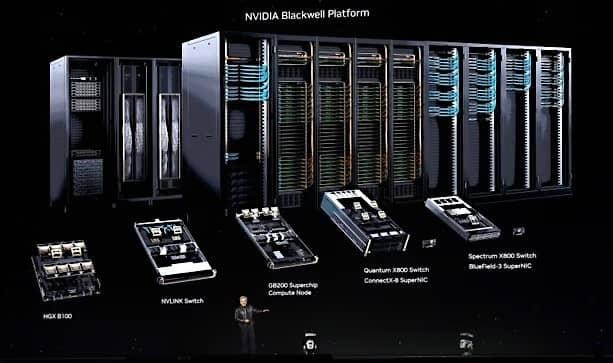
To enable/use it, we need big AI chips…lots of them in massively dense racks stacked in lots of server enclosures that are housed in AI data centers that are in operation and being built around the world.
Every company and every country around the world lusts for AI capability/leadership because it promises to fundamentally change industries, enhance human capabilities, drive economic growth by augmenting productivity, solve the world’s most complex problems and deliver unparalleled abundance for everyone.
Who could object to all those benefits?
Oh sure, it’s going to flood the world with an unending/sometimes overpowering flow of information/misinformation, displace jobs and have “some” impact on our environment: but that’s a small price to pay…right?
So, build baby, build!
Source – Programs.com
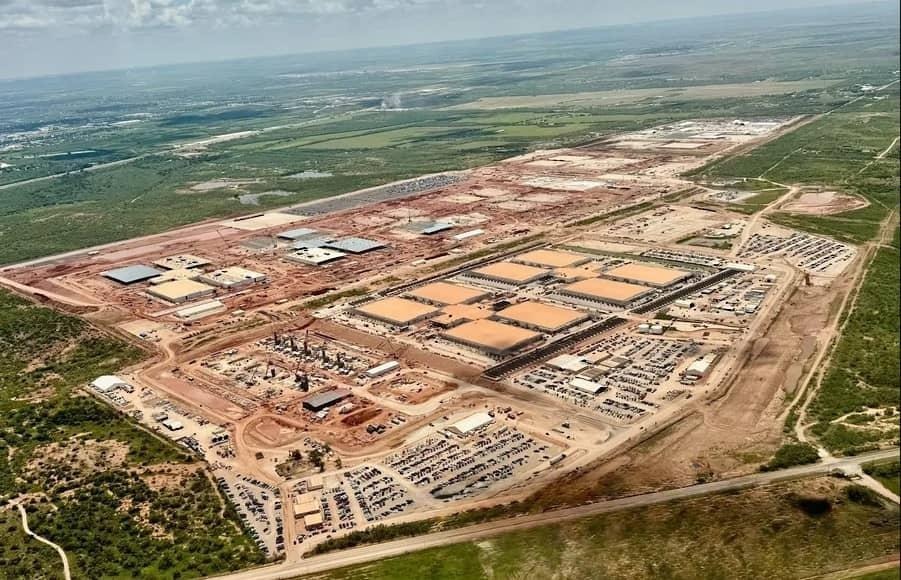
There are already about 10.5K data centers in operation in 174 countries. By 2030, that number is projected to triple assuming the industry can find, hire, and train enough construction/installation workers.
Source – Ars Technica
Sure, it requires money and companies/countries are investing billions to construct the massive facilities.
Major tech giants like Microsoft, Amazon, Google, Meta, Softbank, Alibaba, Oracle, Tencent and major companies in damn near every country are buying up land to build and renovate/upgrade facilities.
Microsoft spent an estimated $24.2B during a recent quarter while Amazon was scheduled to invest $15B in northern Indiana to build some data center campuses on top of the $11B last year.
And over the next five years, they’ll all invest about $7T.
Of course, it will take 2-6 years to complete a facility as companies wade through the permit process, navigate all the supply chain issues including people to build the shell and install all the electrical, plumbing and mechanical facilities that support the AI servers.
But don’t worry, little things like this won’t keep you from putting little kitty cats in all of your work, letting AI do all of your reports that you get to take credit for and best of all stripping off all the clothes of people you want to shame and posting the resulting pictures anonymously on social media.
Yeah, AI is a boon to mankind.
All we have to do is solve a few minor issues.
Source – IrishTimes
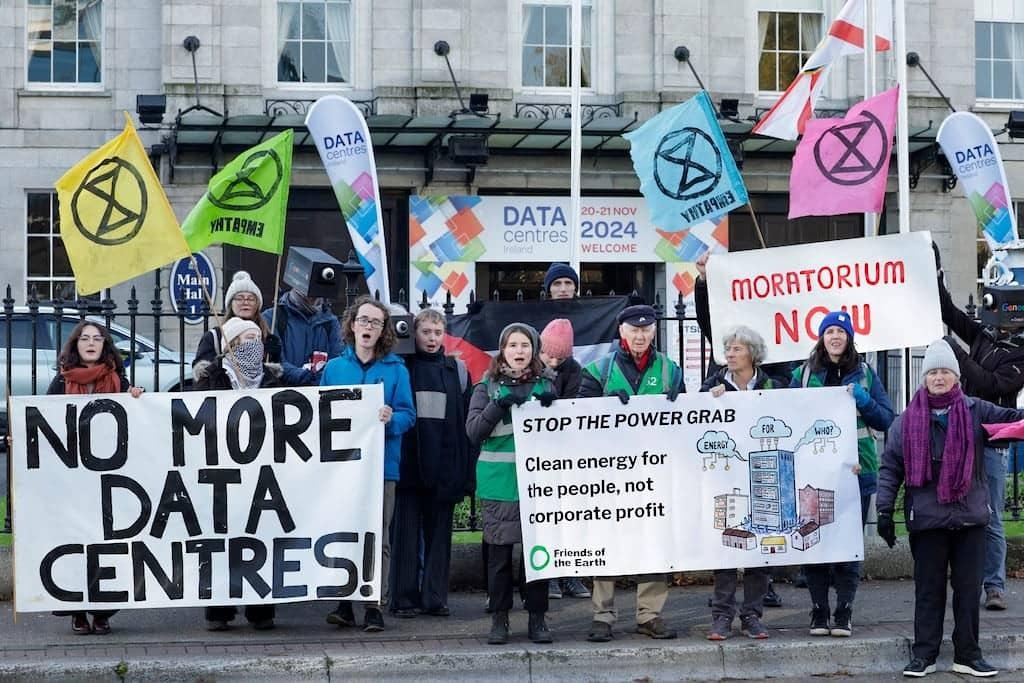
Last year, an estimated 25 data center projects were canceled in the US alone because folks said they didn’t want the data center urban sprawl in their communities.
The local pushback has become a major issue in almost every country driven by the massive energy and water requirements of the AI infrastructure, environmental concerns and the ever-popular issue …NIMBY (not in my back yard).
The issues are pretty noticeable around the globe – in Ireland, data centers consume more than 20 percent of the country’s electricity; in Chile; aquifers are drying up, in South Africa; blackouts are routine, and similar problems are cropping up in Brazil, India, Malaysia, Singapore, Spain–everywhere.
And the issues, problems and challenges aren’t going away.
In an effort to minimize and hopefully avoid the issue, Microsoft launched a new program called Community-First AI Infrastructure by promising to pay for their own power grid upgrades, begin using water-free cooling and avoid asking for and taking advantage of local tax incentives.
Source – McKinsey
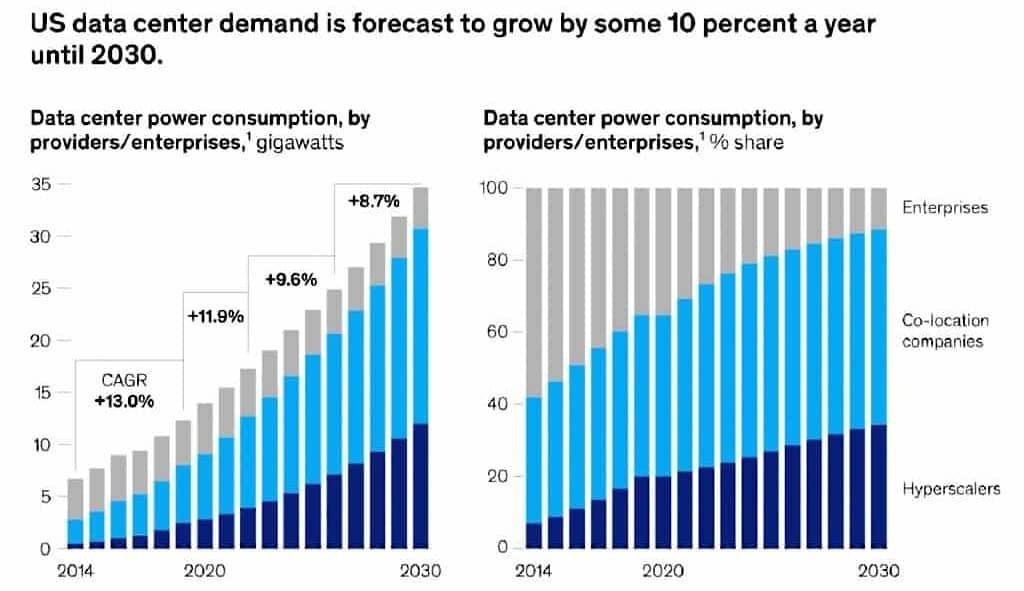
AI data center power requirements are not insignificant.
Conventional data centers require 5-15kW while high-density AI racks need 40-150+ kW/rack thanks to the GPUs that are used that consume 600-800W-each.
And they run 24/7 which means constant, reliable power is needed round-the-clock, round-the-calendar.
At the same time, the chips/racks create extreme heat which means they need consistent/robust cooling and the
estimates are that AI power requirements will reach/exceed 327GW globally by 2030 which means an excessive strain on already overworked and outdated power grids.
Nvidia has moved to ease the challenge by developing improved chips like the new Vera Rubin chip family that delivers megawatt-scale power to racks more efficiently.
At the same time, AI providers are focusing on locating new facilities near abundant, reliable and renewable power sources.
Source – Energy Monitor
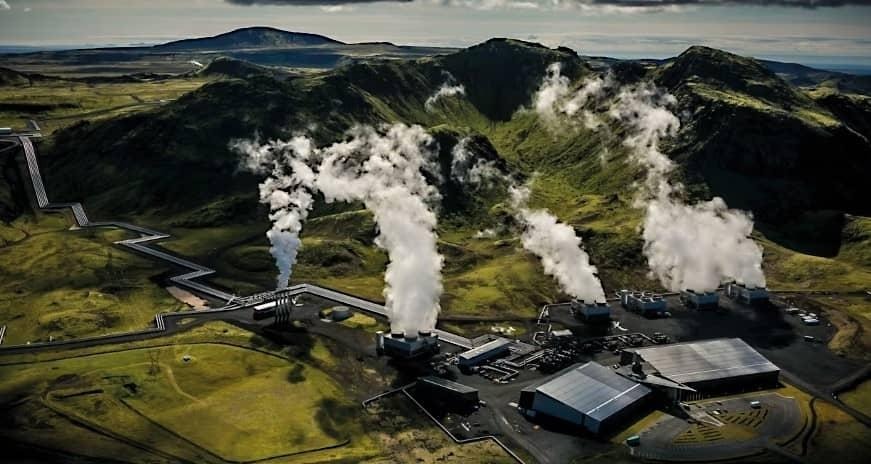
Almost immediately, Iceland emerged as the premier location to meet the crushing needs of AI with its 100 percent renewable energy grid (70 percent hydropower, 30 percent geothermal and naturally cool climate.)
But the island country can’t meet all of the world’s AI data center requirements, so firms/countries are also exploring a range of other options.
And just in case you didn’t know it, coal and gas-powered plants are a dumb solution. Industries need to retire these plants as quickly as possible and replace them with new, clean energy sources.
China produces and uses more solar/wind energy than any other country. Germany is the top solar energy country in Europe.
China is so committed to the environment-friendly solution with an annual growth rate of over 18 percent. It’s estimated that by 2028, they will produce as much as 60 percent of the world’s renewable energy.
At the same time, AI data center owners/producers are exploring a broad range of alternatives.
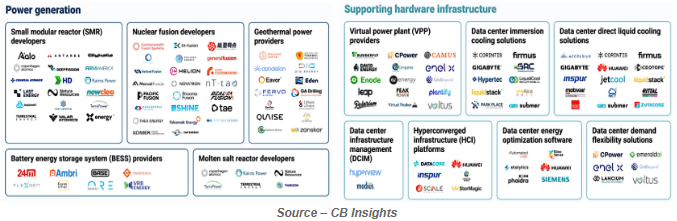
The moves will ease the needs of the local data center and control, perhaps even easing the rising electricity rates of folks living in the surrounding area who have seen their electric bills steadily increase once the new AI data centers begin operation.
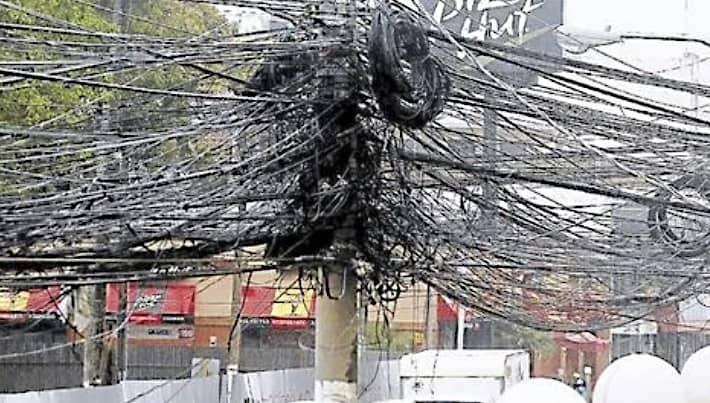
Of course, that only eases a minor portion of the total electrical infrastructure issue which has been neglected and underfunded for years.
Source – Mexico Daily News
It’s estimated that upgrading the grid infrastructure will require trillions of dollars with an estimated 1.5-2.5B people having unreliable electricity access even before the new AI data centers are turned on.
According to RAND Research, AI data centers power grid connections often take four to seven years before they can connect to the rest of the world and moving the facility from one country to another only moves the problem.
The next problem is a little more challenging because water isn’t renewable and AI data centers require a steady stream of it.
Source – Bluefield Research
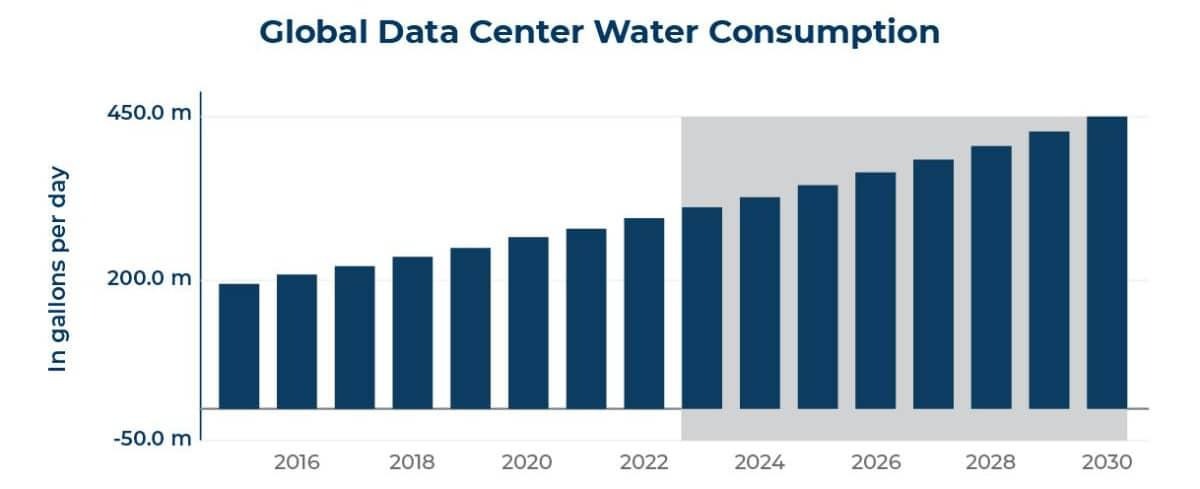
AI data centers have an unquenchable thirst for water to cool the large 24×7 facilities.
For example, a 15MW data center can consume 130+M liters of water annually which is about enough to quench the thirst of 30-40,000 people.
Large data centers use 300,000 to 5M gallons of water daily.

Source – Al Jazeera
A few years back, Google used more than 5B gallons across all of its data centers with many of them located in already water-stressed regions; and they are far from alone in exasperating an already critical issue.
Industry projections suggest that the AI economy’s water usage could more than double by 2050 and that’s before you get your first sip.
Meta — which has formally pledged to minimize water use, be transparent with their water data and has committed to restoring water in and around their locations — plunked one of their AI data centers in central Virginia.
It wasn’t long before residents’ water pressure slowed to a trickle, nothing came out of the taps but murky water and ultimately their wells ran dry.
Water is a pretty difficult resource to manage.
And the area’s problems are far from unique.
AI data center hot spots like Texas, Arizona, Louisiana, Ireland, India, Ghana, UAE, Mexico City, Mumbai, New Delhi, Chongqing, Guangzhou and other cities/countries across the globe, are facing similar – and worse – problems.
Source – Culligan Quench
According to a report by WHO/UNICEF, 2.1B people lack safely managed drinking water with hundreds of millions only have access to untreated surface water.0
The challenge the AI data center industry faces is to develop solutions where the thirsty GPU-based facilities and locals can coexist in harmony.
The more responsible AI data center owners/operators are exploring advanced cooling water reuse and more strategic locations.
Technologies, techniques that are being explored include liquid immersion cooling which reduces water use by up to 91 percent, direct-to-chip cooling which circulates liquid directly over the processors reducing water needs up to 95 percent and closed-loop systems which reuse water multiple times reducing fresh water usage by up to 70 percent.
A few – very few – of the AI processing facilities are also exploring treating/reusing water onsite to become zero net water consumers.
Source – NY Times
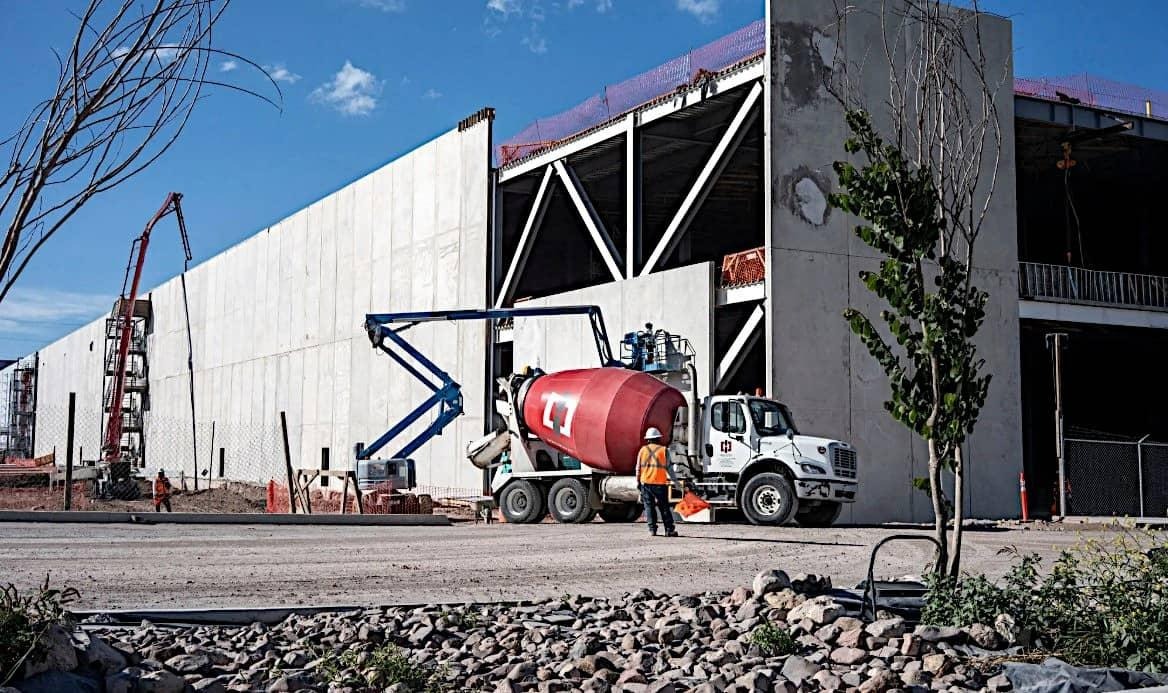
Every country/tech giant is in a heated race to build AI data centers and dominate the AI landscape even as they face an even more practical hurdle.
AI firms and companies/countries that want to capitalize on/take advantage of all of the technology benefits are offering million and multimillion-dollar pay packages to top talent overlooking a major shortage.
There is a massive shortage of construction workers, electricians, plumbers and heating/cooling technicians to build the physical data center facilities.
In the US alone, over the next 10 years, there will be an unfilled shortage of roughly 81,000 each year.
McKinsey estimated that through 2030 130,000 trained electricians, 240,000 construction workers and 150,000 construction supervisors will be needed in the US, and the demand will be similar in China, EU, and other developed countries around the world.

Source – Freepix
And that foundational work has to be done right or the whole model will fail.
Our big blue marble is home to roughly 8.5B humans and AI needs to share it with them and maybe/hopefully improve things for them.
The countries, states and locals that can successfully integrate all of the elements can position themselves as significant AI hubs.
But until that is done, AI data center projects will continue to be abandoned or moved to some future date and cancellations will become a dominant fixture in the global AI race.
There cannot be, as Max Waters noted in Transcendence, a collision between mankind and technology and only people, not machines, can reconcile that.
Technology firms, governments and ordinary folks need to solve/resolve all of the questions and issues before we plunge hellbent into a complete AI world.

Source – Warner Bros.
The technology is great, despite the fact that its most dominant use right now is to ridicule, embarrass others and do your work for you.
We need to keep in mind Will’s comments at the end of Transcendence when he explained, “We’re healing the ecosystem. not harming it. Particles join the air, building themselves out of pollutant. Forests can be regrown. Water so pure, you can drink out of any river.”
Yeah, at the end of the day, that’s what we all want.
Andy Marken – andy@markencom.com – is an author of more than 900 articles on management, marketing, communications, industry trends in media & entertainment, consumer electronics, software and applications. He is an internationally recognized marketing/communications consultant with a broad range of technical and industry expertise, especially in storage, storage management and film/video production fields. He also has an extended range of relationships with business, industry trade press, online media and industry analysts/consultants.